Use Matrix
Pick the usable route
Use this as a quick navigation board: scan each fight or build decision, then jump to the full breakdown and source frames below.
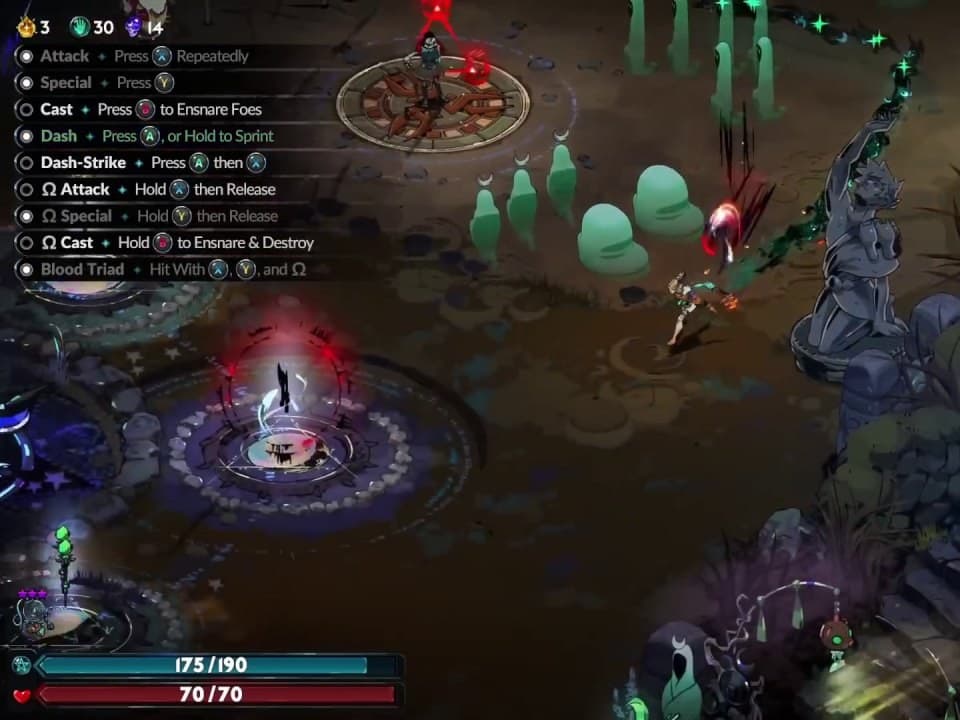
Tier lists are starting points
Aspect tier lists are useful because they compress a lot of testing, but they cannot know your current account state. A top aspect can feel bad if it asks for timing you have not learned, resources you do not have, or boons you cannot route consistently.

Judge by job, not hype
Before investing, name the job of the aspect. Does it create safer spacing? Does it make one button carry the run? Does it improve boss burst or room control? If you cannot name the job, the upgrade is probably curiosity spending.
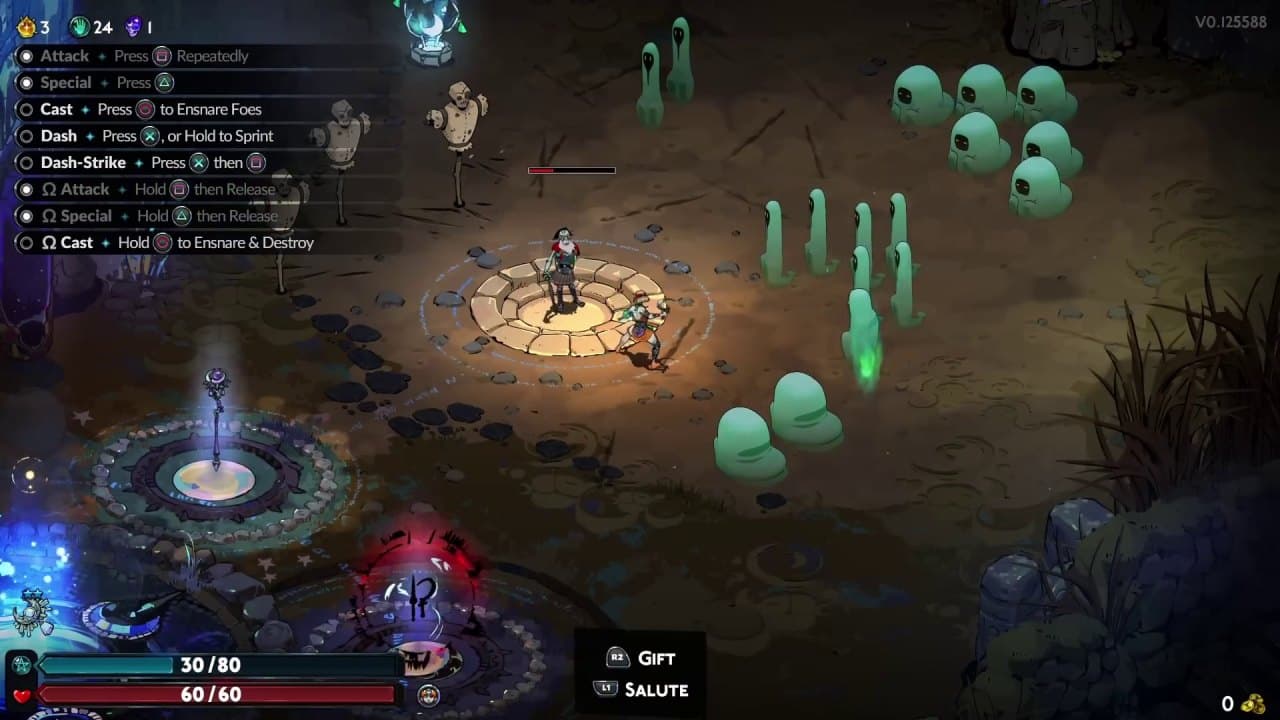
Practice rhythm before boss judgment
Some aspects look weak because the player evaluates them only in boss rooms. First test how the aspect handles normal encounters: enemy spacing, charge windows, cast support, and how often you can use the main button without getting interrupted.
When to switch aspects
Switch when the current aspect no longer teaches the problem you need to solve. If you consistently reach bosses but cannot finish phases, test a clearer scaling aspect. If you die in rooms before the build turns on, return to safer control.
Quick Verdict
A good Hades II aspect is not only the one ranked highest. It is the one that gives your run a clear job: safer room control, stronger boss punish windows, easier resource routing, or a main button that scales cleanly.
Pick one aspect for safety and one for scaling before spreading upgrades.
Match the aspect to the button that your boons can actually scale.
If an aspect changes the rhythm too much, practice rooms before judging bosses.
Pre-Run Checklist
How to test Hades II Weapon Aspects Guide in the next run
A form that feels slow in rooms may still be strong once the setup is learned.
Role
Give Hades II Weapon Aspects Guide one job before investing
Pick one aspect for safety and one for scaling before spreading upgrades.
Check
Tier lists are starting points
Button
Fund the button that actually carries damage
Keep one familiar aspect for reliable clears while testing one experimental aspect for learning and scaling.
Check
Next read: Best Hades Weapon Aspects for Consistent Clears
Risk
Fix consistency before judging the ceiling
Spending into a high-ranked aspect before understanding its main button.
Check
Next read: Hades Boon and Build Planning Guide
Player Intent Router
Choose the section that matches your current wall
High-retention guide pages do not force every player to read linearly. They help the player name the problem, act on it, then continue into the next useful page.
01 · Weapon fit
You want to know whether Hades II Weapon Aspects Guide fits the run
Judge the weapon by the job it solves: safety, burst, range, status triggers, or resource routing. Do not choose only by tier-list strength.
Page action
Pick one aspect for safety and one for scaling before spreading upgrades.
02 · Main button
Your build is spreading damage across too many ideas
A weapon page should decide which button gets investment. Once the main button is clear, boons, hammers, and keepsakes have direction.
Page action
Keep one familiar aspect for reliable clears while testing one experimental aspect for learning and scaling.
03 · Consistency fix
The weapon feels strong, but clears are unstable
That usually means spacing, boss windows, or boon routing are not serving the weapon rhythm. Change one variable before replacing the whole route.
Page action
Spending into a high-ranked aspect before understanding its main button.
Field Guide
How to use this page
Hades II Weapon Aspects Guide should not be treated as a trivia entry. Use it as a route decision before the next run: identify the current wall, then choose the lowest-execution answer that solves that wall.
If the problem is survival, prioritize safer spacing, keepsakes, Mirror choices, or weapon rhythm. If the problem is damage, identify which button carries the build. If the problem is resources, spend on upgrades that improve several future runs instead of only the current attempt.
Screenshots and video references are support material: they help you read tells, spacing, reward locations, or build direction. The written conclusions are the part to carry into the run.
Before entry
Use this Weapon page to name the real job first: survival, damage, resources, or route clarity. A specific job keeps the run from being pulled off course by rarity, flashy clips, or tempting side rewards.
During the fight
Compress the advice into one action rule: wait for the tell, preserve spacing, clear adds first, take the core boon, or leave before greed damage begins. Good guidance should survive a messy screen.
After failure
Do not only ask whether the damage was high enough. Ask where health started disappearing, which reward did not serve the route, and whether the next run needs a different keepsake, Mirror setup, aspect, or starting god.
After reading Hades II Weapon Aspects Guide, do not jump straight to an unrelated entry. Test the advice in one run by changing a single variable: starting keepsake, primary damage button, boss phase plan, resource spending order, or the positioning shown in the reference frames. That makes the next review cleaner because you can tell which change actually improved the route.
If you only remember one rule: Hades II Weapon Aspects Guide is useful because it reduces hesitation in the next run. Anything that helps you decide when to attack, retreat, reroute, or preserve resources is what actually improves clear consistency.
A database page works best when it turns small decisions into a stable route. Read this page, follow the related entries, then test the idea in one escape attempt so the guide becomes practice rather than trivia.
Takeaways
- 01
Pick one aspect for safety and one for scaling before spreading upgrades.
- 02
Match the aspect to the button that your boons can actually scale.
- 03
If an aspect changes the rhythm too much, practice rooms before judging bosses.
Strategy Path
What to read next
Do not leave Hades II Weapon Aspects Guide as an isolated note. Follow the route below to turn one useful answer into a complete escape plan.
01 · Build the route
Best Hades Weapon Aspects for Consistent Clears
After Hades II Weapon Aspects Guide, use Best Hades Weapon Aspects for Consistent Clears to check the next decision layer: The best aspect is the one that gives your run a clear job. Achilles Spear supports Cast burst, Chiron Bow focuses Special damage, Beowulf Shield rewards loaded burst, Arthur Blade gives safety, and Hestia Rail creates disciplined reload shots.
02 · Build the route
Hades Boon and Build Planning Guide
After Hades II Weapon Aspects Guide, use Hades Boon and Build Planning Guide to check the next decision layer: A good Hades build starts by deciding which button deals damage. Then you pick gods that scale that button, use keepsakes to control the first god, and avoid taking shiny boons that do not help the run’s core job.
03 · Plan upgrades
Titan Blood
After Hades II Weapon Aspects Guide, use Titan Blood to check the next decision layer: Spend Titan Blood on one or two aspects you will actually use. Do not spread it thinly across every weapon before you know your preferred playstyle.
04 · Build the route
Pact of Punishment and Heat Guide
After Hades II Weapon Aspects Guide, use Pact of Punishment and Heat Guide to check the next decision layer: The Pact of Punishment is Hades’ post-clear difficulty and bounty system. Good Heat progression is not about turning on everything that looks small. It is about choosing penalties your build can absorb while still preserving boss consistency.
Change one variable at a time along this path: setup first, boon route second, boss phase handling last. That makes it easier to tell which adjustment actually improved consistency.
Run Study Board
Turn the guide into one playable review loop
This page compresses 1 source references and gameplay frames into three steps: watch, apply, and review.
01 · WatchRead the danger in the frame first
Aspect tier lists are useful because they compress a lot of testing, but they cannot know your current account state. A top aspect can feel bad if it asks for timing you have not learned, resources you do not have, or boons you cannot route consistently.
Frame action
Rankings help choose tests; runs decide whether the rhythm solves your problem.
02 · ApplyTurn the advice into one next-run change
Keep one familiar aspect for reliable clears while testing one experimental aspect for learning and scaling.
Frame action
Pick one aspect for safety and one for scaling before spreading upgrades.
03 · ReviewReview the most expensive repeated mistake
Spending into a high-ranked aspect before understanding its main button.
Frame action
Hades II frames should be read separately from Hades 1 habits because Melinoe movement, casts, and resources change the route logic.
Tactical Drill Table
Convert Hades II Weapon Aspects Guide into four playable checks
This is not an encyclopedia summary. It is a next-run drill card: what to look for, what to do, what to avoid, and which page should fill the next gap.
01 · Observe
Define the job Hades II Weapon Aspects Guide is doing
If you see
You are unsure whether attack, special, cast, hammer, or aspect investment should carry the run.
Do this
Pick one aspect for safety and one for scaling before spreading upgrades.
Do not
Do not spread resources across several damage ideas that do not support each other.
Next: Best Hades Weapon Aspects for Consistent Clears02 · Commit
Build around one damage button
If you see
Aspect tier lists are useful because they compress a lot of testing, but they cannot know your current account state. A top aspect can feel bad if it asks for timing you have not learned, resources you do not have, or boons you cannot route consistently.
Do this
Keep one familiar aspect for reliable clears while testing one experimental aspect for learning and scaling.
Do not
Spending into a high-ranked aspect before understanding its main button.
Next: Hades Boon and Build Planning Guide03 · Avoid
Fix consistency before chasing the ceiling
If you see
Normal rooms are already bleeding health before the build reaches bosses.
Do this
Match the aspect to the button that your boons can actually scale.
Do not
Do not force a high-tier aspect if the spacing, charge timing, or boss windows are not stable yet.
Next: Titan Blood04 · Pivot
Use the next page to decide the next investment
If you see
The weapon works, but Titan Blood, hammers, and god routes are still competing.
Do this
If an aspect changes the rhythm too much, practice rooms before judging bosses.
Do not
Do not spend rare resources before the weapon route has a main plan.
Next: Pact of Punishment and Heat GuideBuild Synergy Board
Connect this page to a full route
Readers often leave when the page does not answer what to pair next. This board connects the advice to gods, keepsakes, weapons, resources, and the next guide.
Aspect role
Give Hades II Weapon Aspects Guide a build job before spending
Pair with
Best Hades Weapon Aspects for Consistent Clears
A weapon should solve safety, burst, range, cast loading, or status application. Once the job is clear, god and hammer choices become easier.
Page check
Pick one aspect for safety and one for scaling before spreading upgrades.
Boon lane
Compress boons into one damage logic
Pair with
Hades Boon and Build Planning Guide
Attack, special, cast, dash, and call cannot all be the main plan. Choose the button that clears rooms and bosses, then fund it.
Page check
Keep one familiar aspect for reliable clears while testing one experimental aspect for learning and scaling.
Upgrade gate
Test feel before spending Titan Blood
Pair with
Titan Blood
Rare upgrades should go into forms you can repeat comfortably, not the one that looked strongest in a highlight video.
Page check
Spending into a high-ranked aspect before understanding its main button.
Weapon Route Builder
Pick the main button before boons and upgrades
The useful way to read a weapon page is to connect aspect choice, main damage, hammer value, and boss safety into one route.
Route rule
Do not let Attack, Special, and Cast compete for resources. Give one button the main job for the run.
1. Name the weapon job
Judge each Hades II aspect by its job: safer room control, stronger boss punish, easier resource routing, or a cleaner main button.
Build signal
Choose one main damage button before adding utility.
Boss check
Test the aspect in rooms before judging the boss result. A form that changes rhythm needs practice before it looks strong.
2. Lock the boon carrier
Pick one aspect for safety and one for scaling before spreading upgrades.
Build signal
Attack, Special, Cast, Dash, or Call should have a job. If two buttons compete for the same boons, the run becomes harder to pilot.
Boss check
Before Elysium, ask whether your main button can damage a boss while you still have room to dodge.
3. Spend upgrades on the route
Use hammer choices to strengthen the main button or repair safety; skip upgrades that start a second plan.
Build signal
Match the aspect to the button that your boons can actually scale.
Boss check
If the next boss punishes long commitments, value safety, range, reload discipline, or block timing over raw numbers.
Build Pivot Map
Recover the run when the key piece misses
A useful guide should not only name the perfect build. It should show how to save the run when a boon, hammer, or aspect choice misses. Read the signal, repair the gap, then pivot before the boss wall.
| Lane | Build signal | Missing piece | Pivot target | Recovery link |
|---|---|---|---|---|
| Choose one main damage button before adding utility. | The weapon is being asked to do too many jobs: mixed buttons, awkward hammers, or boons that do not match the aspect rhythm. | Use hammer choices to strengthen the main button or repair safety; skip upgrades that start a second plan. | Compare this page with a weapon route so the run has one main action instead of three half-built buttons. Weapon route |
| Pick one aspect for safety and one for scaling before spreading upgrades. | The usual gap is not one perfect boon. It is missing uptime: no safe way to keep attacking, no status route, or no reason for the next keepsake. | Choose the next reward by function: damage if rooms drag, defense if Death Defiance is bleeding, status if Privileged Status or Duo access is the route. | Use a boon route to decide whether the next chamber should force a god, take a Pom, buy health, or stop chasing rarity. Boon route |
| Match the aspect to the button that your boons can actually scale. | Boss failures usually mean the run cannot deal damage while moving, cannot leave after committing, or reaches the fight with too little health. | Test the aspect in rooms before judging the boss result. A form that changes rhythm needs practice before it looks strong. | Move to a first-clear or setup page if the run needs more Mirror strength, safer keepsakes, or a less greedy boss plan. Recovery guide |
Route Data Table
Make Hades II Weapon Aspects Guide a weapon route, not just a ranking
Weapon pages can collapse into tier-list trivia. This table turns the advice into route decisions: when to choose the aspect, what to pair it with, and what failure tells you.
Table use
Change one build variable at a time so the review stays readable.
| Build lane | Best pairing | When it works | Failure sign |
|---|---|---|---|
| Primary button | Keep one familiar aspect for reliable clears while testing one experimental aspect for learning and scaling. | Aspect tier lists are useful because they compress a lot of testing, but they cannot know your current account state. A top aspect can feel bad if it asks for timing you have not learned, resources you do not have, or boons you cannot route consistently. | Spending into a high-ranked aspect before understanding its main button. |
| Boon package | Best Hades Weapon Aspects for Consistent Clears | Match the aspect to the button that your boons can actually scale. | Comparing aspects only by boss damage while ignoring room consistency. |
| Upgrade spend | Hades Boon and Build Planning Guide | If an aspect changes the rhythm too much, practice rooms before judging bosses. | Changing aspects every run before any rhythm has time to become natural. |
People Also Ask
Hades II Weapon Aspects Guide FAQ
These answers are for search visitors and stuck players: resolve the most common decisions first, then continue into the deeper breakdown.
Q1Is Hades II Weapon Aspects Guide good for beginners?
+
A good Hades II aspect is not only the one ranked highest. It is the one that gives your run a clear job: safer room control, stronger boss punish windows, easier resource routing, or a main button that scales cleanly. It becomes much easier to learn when the weapon has one clear job and one primary damage button.
Q2Should Hades II Weapon Aspects Guide build around attack, special, or cast damage?
+
Pick one aspect for safety and one for scaling before spreading upgrades. Do not fund three damage plans at once. Pick the most reliable button first, then make boons and hammers serve it.
Q3When is Hades II Weapon Aspects Guide worth Titan Blood?
+
Before investing, name the job of the aspect. Does it create safer spacing? Does it make one button carry the run? Does it improve boss burst or room control? If you cannot name the job, the upgrade is probably curiosity spending. Spend rare upgrades only after the aspect feels repeatable across normal rooms and bosses.
Q4What is the most common Hades II Weapon Aspects Guide mistake?
+
Spending into a high-ranked aspect before understanding its main button. Comparing aspects only by boss damage while ignoring room consistency.
Best Picks Breakdown
Actionable notes by section
Entry 1
Tier lists are starting points
Aspect tier lists are useful because they compress a lot of testing, but they cannot know your current account state. A top aspect can feel bad if it asks for timing you have not learned, resources you do not have, or boons you cannot route consistently.
Visual Note
Aspect comparison
Rankings help choose tests; runs decide whether the rhythm solves your problem.
Entry 2
Judge by job, not hype
Before investing, name the job of the aspect. Does it create safer spacing? Does it make one button carry the run? Does it improve boss burst or room control? If you cannot name the job, the upgrade is probably curiosity spending.
- Safety aspects should reduce forced damage, not only add comfort.
- Damage aspects need a clear boon carrier.
- Utility aspects are strongest when they solve a repeated room problem.
Visual Note
Weapon learning curve
A form that feels slow in rooms may still be strong once the setup is learned.
Entry 3
Practice rhythm before boss judgment
Some aspects look weak because the player evaluates them only in boss rooms. First test how the aspect handles normal encounters: enemy spacing, charge windows, cast support, and how often you can use the main button without getting interrupted.
Visual Note
Hades II route context
Hades II frames should be read separately from Hades 1 habits because Melinoe movement, casts, and resources change the route logic.
Entry 4
When to switch aspects
Switch when the current aspect no longer teaches the problem you need to solve. If you consistently reach bosses but cannot finish phases, test a clearer scaling aspect. If you die in rooms before the build turns on, return to safer control.
Visual Note
Aspect comparison
Rankings help choose tests; runs decide whether the rhythm solves your problem.